Mopedum: The History of Sweden’s Vintage Mopeds Explained
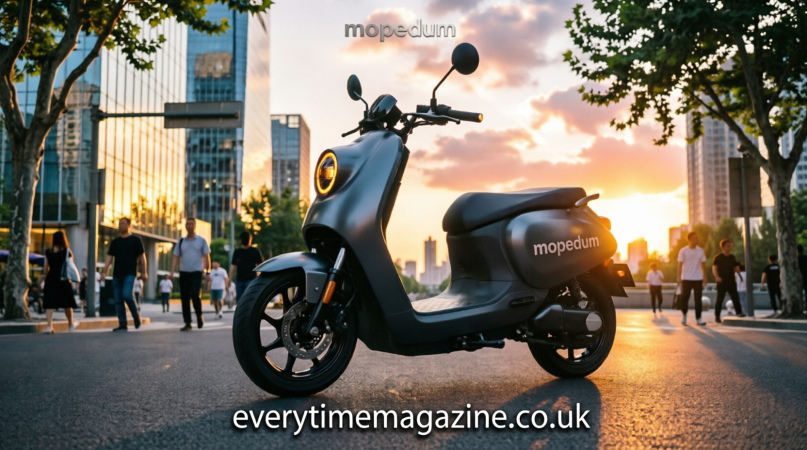
Mopedum was more than a place filled with old motorcycles. It was a Swedish nostalgia museum built around vintage mopeds and everyday life. The museum connected machines with people, homes, fashion, transport, and youth culture. It showed how simple vehicles became part of Swedish history. The original museum stood in Nynäshamn, Sweden, in Stockholm County. Its address was Vikingavägen 39. Mopedum – Svenska Nostalgimuseet opened to visitors on May 26, 2012. It later closed permanently in December 2022. Even after its closure, the story of the Mopedum Museum remains useful for anyone interested in Swedish moped history, vintage vehicles, and Swedish nostalgia.
The museum had a special style. It did not focus only on engines and technical details. Its museum exhibits placed Swedish vintage mopeds inside recreated historical scenes. Visitors could see period furniture, period clothing, household objects, vintage toys, and other everyday possessions. These details helped explain how people lived when mopeds were a common form of transport. The result was a nostalgia museum that linked transportation with Swedish everyday life.
What Was Mopedum?
Mopedum was a private museum focused on old mopeds and Swedish life during the second half of the twentieth century. It became known as a moped museum because its main collection included many vintage two-wheelers. Yet the museum had a wider purpose. It used mopeds to tell a story about people and society.
The museum focused mainly on the period from 1952 to 1979. These years were important in Swedish moped history. The early 1950s brought new moped laws in Sweden. The following years saw rapid growth in moped transportation. During the 1960s, mopeds became strongly connected with young people. By the 1970s, they had become part of a larger leisure and youth culture.
Mopedum showed this change through objects and scenes. A visitor could see a classic moped near a garage display. Another area could show a living room exhibit. A 1950s kitchen could provide another view of daily life. These settings made the machines easier to understand.
The museum was also known as Mopedum – Svenska Nostalgimuseet. Its story is closely linked with Nisse Skogmyr and Eva-Lotta Österberg Skogmyr. Their interest in old vehicles helped create the collection and the museum concept.
The People Behind Mopedum
Nisse Skogmyr and Eva-Lotta Österberg Skogmyr were the people behind Mopedum. Their personal interest in older vehicles became the foundation of the museum. Over time, the collection grew. It included many veteran mopeds and objects from earlier periods.
Creating a private museum requires more than collecting vehicles. The owners had to decide how each object would be shown. They also had to create a story that visitors could follow. Mopedum used a period-based approach. The museum recreated parts of everyday Swedish life and placed mopeds inside those settings.
This gave the collection a personal character. It did not feel like a simple storage area for old machines. The displays tried to show the world around the vehicles. Period furniture helped create the right setting. Old household objects added more detail. Period clothing helped visitors connect the displays with real people.
Historical photographs were also useful for this type of presentation. They can show how mopeds were used on roads and in neighborhoods. They can also show clothing, buildings, shops, and other parts of Swedish road culture.
Where Was Mopedum Located?
Mopedum was located at Vikingavägen 39 in Nynäshamn, Sweden. Nynäshamn is in Stockholm County. The town has a strong connection with travel and transportation because of its location south of Stockholm and its ferry links.
The location became part of the museum experience. Visitors traveled to Nynäshamn to see a private collection that focused on Swedish nostalgia and transport history. The museum was housed in a former swimming hall. This gave the collection a large indoor space.
The setting allowed the owners to build immersive museum displays. Instead of placing every vehicle in a narrow row, they could create different environments. This approach made the former museum different from many traditional transport museums.
People searching online today can still find the old address. Some pages also contain historical opening information. This can create confusion. The original museum is not currently open. Mopedum closed in December 2022.
The address remains useful for historical research. It helps researchers connect old photographs, visitor information, and collection records with the original location. It also helps explain where the Mopedum story began.
Why 1952 Matters in Moped History
July 1, 1952, is a key date in Swedish moped history. New rules came into effect in Sweden that helped establish the moped as an accessible form of transportation. The rules concerned vehicles with small engines and created a special legal category.
The change had a major effect on moped transportation. People could use these small motorized vehicles without the same requirements that applied to larger motor vehicles. The moped was linked to the idea of a bicycle with an auxiliary engine.
This period helped create a strong market for mopeds. Swedish manufacturers and importers responded to growing demand. Mopeds became useful for workers, young people, and others who needed affordable transport.
The 1952 moped legislation also shaped the period later represented at Mopedum. The museum did not choose the early 1950s by accident. The date marked a major point in the history of small motorized vehicles in Sweden.
The social effect was also important. A moped could provide freedom and mobility. A young person could travel farther than on foot. A worker could reach a workplace without owning a car. Families could use mopeds for short trips.
How Mopeds Changed in the 1960s
The 1960s brought further changes to Swedish moped regulations. The 1961 moped regulation reflected the development of the vehicle and the market around it.
The moped was no longer viewed only as a bicycle with an auxiliary engine. Its role had changed. Manufacturers were creating different styles. Riders were also using mopeds in new ways.
The 1960s became a major period for youth transportation. Teenagers often saw mopeds as a first step toward personal mobility. The vehicle offered freedom without the cost of a car.
Moped culture grew around this new role. Young riders cared about appearance as well as function. Different models gained their own identities. Riding became connected with friends, leisure transportation, and social life.
This change is one reason classic mopeds remain interesting today. They show more than mechanical development. They show a change in how young people experienced movement and independence.
Swedish Mopeds and Everyday Life
Mopeds became part of everyday Swedish life because they were practical. They were smaller than cars. They were easier to park. They also used less fuel than larger vehicles.
For many people, a moped was a useful form of personal transportation. It could be used to reach work or school. It could also be used for shopping and short trips.
Young people gave the vehicle another role. It became linked with freedom and mobility. A teenager could meet friends without depending on parents for transport.
This created a strong connection between mopeds and Swedish postwar culture. The country was changing. Consumer culture was growing. New products were becoming available. More families were buying modern household goods. Transportation was changing at the same time.
Mopedum captured this wider period. Its displays showed that a moped was not an isolated object. It was part of a larger world.
The museum therefore helped visitors look at Swedish two-wheel history from a social angle. The machine was only one piece of the story. The rider, family, neighborhood, workplace, and home were also part of it.
The Vintage Mopeds at Mopedum
The Mopedum collection included many types of Swedish vintage mopeds. These vehicles represented different manufacturers and different periods.
Names such as Puch Dakota, Crescent Compact, Monark Monarped, Sachs Saxonette, and Zündapp KS50 are familiar to vintage moped enthusiasts. Each model has its own design history.
The Crescent Compact is strongly linked with Swedish moped culture. Crescent was a well-known Swedish bicycle and moped name. Monark also has a long history in Swedish two-wheel manufacturing.
The Puch Dakota became a recognizable model among young riders. Its shape and reputation have helped it remain popular with collectors.
Sachs Saxonette represents another approach to small motorized transportation. The design used a compact engine and was closely connected with motorized bicycle development.
Zündapp KS50 came from Germany rather than Sweden. It still belongs to the wider European moped story. Its presence helps show that Swedish riders were part of a larger European market.
These machines are now examples of classic mopeds. Their value can depend on condition, originality, rarity, documentation, and collector interest.
From Practical Transport to Youth Culture
The meaning of the moped changed over time. During the early period, practical use was a major reason for ownership. Later, the vehicle became more strongly connected with young people.
This change was not sudden. It developed as society changed. More young people wanted personal transport. Manufacturers also produced models that appealed to younger riders.
The moped became a symbol of independence. It gave riders a sense of freedom and mobility. It also created a social space. Friends could ride together. Young people could meet outside their homes. Weekend rides became part of leisure.
This is where moped culture became stronger. The machine was no longer just transportation. It became part of identity.
Mopedum presented this history through physical objects. The museum could show a vehicle and then surround it with the products and settings of the same period.
That method helped visitors understand why old mopeds can still create strong memories. A machine can remind someone of school, friends, work, family, or a first experience of independent travel.
What Made the Museum Different?
Mopedum was different because it mixed vehicle history with social history. A traditional historical vehicle museum may focus mainly on machines. Mopedum used the machines as part of a larger story.
Its museum collection included more than mopeds. The displays could contain household objects, furniture, clothing, toys, and other pieces of daily life.
A country store could show how shopping looked in an earlier period. A 1950s kitchen could show the domestic environment. A garage display could connect with vehicle ownership. A living room exhibit could show how people spent time at home.
Some displays also used entertainment objects such as a jukebox. These details helped create a stronger sense of place.
The result was an immersive presentation of Swedish nostalgia. Visitors could move from one environment to another and see how objects from the same period worked together.
This approach also made the museum interesting to people who were not vehicle collectors. Someone interested in fashion could enjoy the period clothing. Someone interested in design could study furniture. A history fan could focus on the recreated scenes.
The Mopedumrundan and Moped Culture
Mopedumrundan was part of the wider culture around Mopedum. It connected the museum with people who enjoyed riding and preserving older mopeds.
Events such as moped rides give historic vehicles a life beyond the display case. Riders can use their machines. Visitors can hear the engines. Enthusiasts can talk about restoration and maintenance.
This community side matters for historical preservation. A vintage vehicle is easier to understand when people continue to use and discuss it.
Mopedumrundan also reflected the social side of moped culture. A ride can bring collectors together. It can create friendships. It can encourage younger people to learn about old vehicles.
The event also shows why a moped museum can become a community space. The collection provides the history. The riders provide the living culture.
Restoring and Preserving Old Mopeds
Old mopeds need care. Age affects many parts. Rubber components can become brittle. Cables can wear out. Fuel systems can develop problems. Tires and brakes may need replacement.
Vintage moped restoration often requires patience. Owners may need to search for original components. They may also use reproduction replacement parts when original pieces are unavailable.
Classic vehicle restoration raises a question about originality. Some collectors want their machines to look as close as possible to their factory condition. Others prefer a practical restoration that makes the vehicle safe and usable.
Both approaches can help preserve vehicle history. The key is keeping good records. Photographs, manuals, receipts, and collection records can help future owners understand what was changed.
Vehicle preservation also includes storing a machine correctly. Moisture can damage metal. Poor storage can affect paint and mechanical parts. Regular maintenance can help prevent larger problems.
Mopedum’s collection showed why preservation matters. A vintage moped can be a physical record of technology and design. Keeping it alive protects a small part of Swedish two-wheel history.
Why the 1950s, 1960s, and 1970s Matter
The 1950s, 1960s, and 1970s were central to the Mopedum story. They were years of major social and economic change in Sweden.
The 1950s brought growing consumer culture and new transportation options. Mopeds became more common. The home also changed. New appliances and products became part of everyday life.
The 1960s brought stronger youth culture. Young people had more interest in fashion, music, travel, and personal identity. The moped fitted naturally into that world.
The 1970s continued the story but brought new transportation patterns. Cars became more common. Motorcycles and other vehicles competed for attention. The moped still had a place in Swedish life.
Mopedum used this period to show change through objects. A vehicle could show technical development. Clothing could show fashion. Furniture could show domestic design. A jukebox could show entertainment culture.
Together, these objects created a picture of mid-century Sweden.
What Happened to Mopedum After It Closed?
The original Mopedum Museum closed permanently in December 2022. The closure marked the end of the Nynäshamn museum, but it did not end the collection’s story.
Parts of the former collection later appeared in a new nostalgia exhibition at Vällingby Centrum in Stockholm. The new exhibition includes mopeds and recreated environments connected with the former collection.
This means that people researching Mopedum today need to separate two things. The original museum in Nynäshamn is closed. Some of its collection and presentation ideas continue in another location.
This is also why old online information can be confusing. Some pages still show the original address. Others describe the museum as a current attraction. Those pages may be historical rather than current.
The original museum should therefore be treated as a former museum. Its history can still be researched through museum archives, historical photographs, collection records, and preserved objects.
Mopedum’s Legacy Today
Mopedum remains relevant because interest in old vehicles has not disappeared. Vintage mopeds continue to attract collectors and younger enthusiasts.
There is also renewed interest in physical objects from earlier periods. People want to understand how daily life looked before modern digital technology changed communication and entertainment.
The museum’s approach remains useful. It showed that history does not have to focus only on famous events. Everyday possessions can tell powerful stories.
An old moped can explain transportation. A kitchen can explain domestic life. A piece of clothing can show fashion. A toy can reveal childhood interests. A jukebox can show entertainment trends.
When these objects appear together, they create a stronger picture of the past.
That is the lasting value of Mopedum. Its collection connected Swedish vintage mopeds with the people who used them. It placed machines inside homes, streets, garages, shops, and communities.
What Mopedum Tells Us About Sweden
Mopedum offers a useful view of postwar Sweden. The story begins with transport. It then moves into youth culture, consumer goods, design, family life, and social change.
The moped was a small machine. Its cultural effect was much larger.
The growth of moped transportation shows how affordable technology can change personal mobility. The rise of youth moped culture shows how young people can give a practical product a new meaning.
The history also shows the role of moped regulations. Government rules influenced how manufacturers built vehicles and how people used them.
This makes moped history useful beyond vehicle collecting. It connects law, technology, business, design, and social history.
Mopedum made these connections visible. That is why its story still has value even after the physical museum closed.
Conclusion
Mopedum was a unique part of Swedish nostalgia and transport history. The museum combined Swedish vintage mopeds with everyday objects from the 1950s, 1960s, and 1970s. It showed how transportation could become part of youth culture, family life, consumer culture, and personal freedom.
Nisse Skogmyr and Eva-Lotta Österberg Skogmyr created a collection that went beyond mechanical history. Their displays used recreated historical scenes to give context to old machines. The museum at Vikingavägen 39 in Nynäshamn opened on May 26, 2012, and closed permanently in December 2022.
Today, the original Mopedum Museum is no longer open. Yet its story continues through preserved vehicles, nostalgia exhibitions, archival material, collectors, and Swedish moped communities. The period from 1952 to 1979 remains especially useful for understanding how mopeds changed in Sweden.
Mopedum ultimately showed that history can live inside ordinary objects. A vintage moped may look like an old machine, but it can also represent freedom, work, friendship, youth, design, and memories. That wider story is what makes Mopedum worth remembering.
Frequently Asked Questions About Mopedum
What is Mopedum?
Mopedum was a Swedish Nostalgia Museum in Nynäshamn. It focused on vintage mopeds and everyday life from 1952 to 1979. Its displays also included period furniture, clothing, household objects, toys, and other historical items.
Who founded Mopedum?
Mopedum was created by Nisse Skogmyr and Eva-Lotta Österberg Skogmyr. Their interest in veteran mopeds grew into a large private collection and later became the Mopedum Museum.
Where was Mopedum located?
The original museum was located at Vikingavägen 39 in Nynäshamn, Sweden. Nynäshamn is in Stockholm County. The museum used a former indoor swimming hall for its displays.
When did Mopedum close?
The original Mopedum closed permanently in December 2022. The closure ended the museum’s operation in Nynäshamn. Parts of its collection later appeared in a nostalgia exhibition at Vällingby Centrum.
Is Mopedum open today?
No. The original Mopedum Museum in Nynäshamn is closed. People interested in its collection can look for preserved displays and related nostalgia exhibitions, as well as Swedish vintage moped events and collections.